The Percussive Arts Society (PAS), a distinguished collective of percussion enthusiasts, has recently announced Neil Grover’s induction into the prestigious PAS Hall of Fame. This milestone event honors Grover’s remarkable talent and his enduring commitment to the world of percussion, reflecting a stellar career that spans over four decades.
Neil Grover is celebrated as a distinguished performer, music educator, instrument innovator, and business pioneer, whose significant influence has resonated throughout the music industry. His illustrious career spans more than 40 years of affiliation with Boston’s top musical organizations, including the acclaimed Boston Symphony and Boston Pops. His educational contributions are marked by his tenure at two prominent university music programs and his authorship of four seminal books on percussion technique.
Grover’s artistic reach extends beyond classical music, most notably having contributed to the iconic scores of Phillip Glass’ “Mishima” and John Williams’ “Indiana Jones and the Temple of Doom,” not to mention performing alongside the legendary rock group Aerosmith.
In harmony with his artistic endeavors, Grover’s entrepreneurial drive and uncompromising passion for percussion led to the founding of Grover Pro Percussion, a company celebrated worldwide for its innovation in crafting superior musical instruments and accessories. His key leadership positions within the Percussive Arts Society, including his tenure on the Board of Directors, the Advisory Board, and his role as Chair of the Symphonic Committee, have been instrumental in ensuring the organization’s continued success.
The forthcoming induction ceremony, scheduled for the Percussive Arts Society International Convention this November, promises to be a festive tribute to Grover’s extraordinary impact on the percussion community worldwide.
Here’s the latest video from the Drummer’s Review Live Room looking at a Varus Morpheus Snare Drum
The snare features…
14” x 7”, 6-ply, 5.4mm maple / beech shell
45˚ bearing edges
Black Nickel hoops / shell hardware
Metallic Green finish
20-strand Fat Cat snare wires
Code DNA Coated batter head
“In a medium tuning it gives a crisp and articulate sound with plenty of projection and volume.”
Filmed at Paul Caboche Studios (Cornwall, UK), July 2024. Scroll down for recording / production details.
Drummer’s Review, based in North Devon, England would like to thank thehttps://www.bathhotellynmouth.co.uk/for the use of their hotel for this photo shoot in their stunning bar.
Photography by Guy Harrop on location atBath Hotel in Lynmouth.
“…we felt that the higher register was definitely the sweet spot for the drum.”
Varus Says…“Varus Drums can make a variety of incredible snare drums, made in ply construction or in “ Stave” solid wood. A seemingly endless variety of high-end finishes and colour options of hardware and wood to create the snare of your dreams.”
“One very defining feature is the twin row of small air vents with sandwich the Varus shield-shaped logo…”
Pro’s:
Excellent, flawless construction,
Great tone and body coupled with projection
Looks amazing!
“Overall this drum sounds superb. It has bags of character and warmth coupled with a massive amount of projection”
Cons:
Significant overtones at medium and lower tunings that require dampening
“Rounding things out is a 20-strand Fat Cat snare wire and piston-style snare throw as well as a Code DNA coated batter and unbranded thin clear resonant head.”
For more completely impartial kit reviews, click HERE
Recording Details:
Filmed at Paul Caboche Studios (Cornwall UK).
Microphone List:
Kick Rear: Audix D6
Kick Front: Electrovoice RE27ND
Snare Top: Electrovoice PL80
Snare Bottom: Electrovoice PL80
Hi Hat: Oktava MK-012-01 Cardio
Over Head wide: AKG C414B (pair)
Centre Over Heads: AEA R88 MK2 Stereo Ribbon Mic
Front Centre Room : AEA R88 MK2 Stereo Ribbon Mic
Wide Room Mic’s: sE2200T Tube Mic’s (pair)
Recording Process:
Microphone Pre amps: 16x Rupert Neve Designs 5052
Pre amp outs to Avid HD analog to digital converters connected to Avid HDX card
Recorded into Pro Tools Ultimate latest version running HDX cards mounted in an Apple Mac Pro 2019 16core.
Audio Template Details:
Basic EQ:
Basic EQ setting using the EQ section of the Neve 5052 mic Pre-Amps. No post recoded EQ or processing applied.
A Note From Paul…
“The microphones were set up with the overheads and room mic’s measured to the centre of the snare drum to keep the phase of any stereo pair in phase. The AEA R88 MK2 mic’s being stereo mic’s had no issue with phase but the front centre room mic and centre overhead where aligned with each other to keep the same stereo image. The phase reverse switch on the front kick mic was used to correct the phase between the two bass drum mic’s. The phase reverse switch was engaged on the bottom snare mic to correct the phase between the two snare mic’s. Hi pass filters only used on the hi hat mic, Ride mic and overheads. The live room of the studio has been treated to provide a neutral sound close to the drums & cymbals with the room mic’s then giving a true representation of what the instruments sound like in the room. Using 16 identical Mic Pre amps also helps with electrical phase so there is no difference between tone and phase of the Mic Pre amps. The brief for the recoding was to give as true a representation as possible of what the instruments actually sound like.”
For more completely impartial, HD video reviews, please subscribe to the Drummer’s Review YouTube Channel: www.youtube.com/drummersreview and click on the bell icon to be notified as soon as each new video is released.
You can also follow Drummer’s Review on social media:
All of Drummer’s Review videos are recorded in a top quality studio with the finest equipment. To get the best from our reviews and really hear the instruments perform be sure to listen on good quality speakers or headphones!
Here’s the latest video from the Drummer’s Review Live Room looking at a Sonor AQ1 Series Studio Kit (including hardware)
The kit features…
20” x 16” Bass Drum
10” x 7” Rack Tom
12” x 8” Rack Tom
14” x 13” Floor Tom
14” x 6” Snare Drum
100% Birch Shells
7.2mm, 9-ply shell construction
Sonor Smart Tom Suspension System
Sonor Single AQ Lugs
Remo-Made Heads Throughout
HS 2000 Series hardware pack and DTH 2000 Double Tom Holder included.
“Special mention must go to the high-gloss finish which was applied flawlessly!”
Filmed at Paul Caboche Studios (Cornwall, UK), July 2024. Scroll down for recording / production details.
“The kit sports 45˚ bearing edges throughout”
Sonor Says…“The AQ1 Series is all about Birch, just like its bigger brother, the SQ1 Series. Just as AQ2, it features our SmartMount that allows for significant better resonance and sustain of the rack toms made from 100% birch. The popular pre-configured Stage and Studio configurations are completed with the 5-piece HS2000 Hardware Set and are available in three stunning high gloss lacquer finishes: Piano Black, Piano White and Caribbean Blue.”
“The birch shells add a healthy amount of attack while the choice of slightly thicker supplied heads is a very welcome one adding body and depth.”
Pro’s:
Well-rounded tone with excellent projection
Flawless finish applied expertly
Full compliment of hardware included
“Sonor’s smart mount suspension system, with a double tom holder supplied with the kit”
Cons:
Slight rough spot on floor tom bottom bearing edge
“The matching snare drum gives an articulate and dynamic response, with everything from ghost strokes through to rimshots sounding crisp and full.”
For more completely impartial kit reviews, click HERE
Recording Details:
Filmed at Paul Caboche Studios (Cornwall UK).
Microphone List:
Kick Rear: Audix D6
Kick Front: Electrovoice RE27ND
Snare Top: Electrovoice PL80
Snare Bottom: Electrovoice PL80
Hi Hat: Oktava MK-012-01 Cardio
Ride: Oktava MK-012-01 Cardio
Toms: AKG C414B
Over Head wide: AKG C414B (pair)
Centre Over Heads: AEA R88 MK2 Stereo Ribbon Mic
Front Centre Room : AEA R88 MK2 Stereo Ribbon Mic
Wide Room Mic’s: sE2200T Tube Mic’s (pair)
Recording Process:
Microphone Pre amps: 16x Rupert Neve Designs 5052
Pre amp outs to Avid HD analog to digital converters connected to Avid HDX card
Recorded into Pro Tools Ultimate latest version running HDX cards mounted in an Apple Mac Pro 2019 16core.
Audio Template Details:
No EQ:
Direct microphone sound – no EQ either pre or post recording applied from the Neve 5052 Pre-Amps EQ section.
Basic EQ:
Basic EQ setting using the EQ section of the Neve 5052 mic Pre-Amps. No post recoded EQ or processing applied.
Full Studio Mix:
Post EQ section of the Neve 5052 mic Pre-Amps plus post production EQ, gating, parallel compression and some reverb added to the snare and toms. There was also some room mic processing along with parallel drum bus adding compression and reverb to the overall sound.
A Note From Paul…
“The microphones were set up with the overheads and room mic’s measured to the centre of the snare drum to keep the phase of any stereo pair in phase. The AEA R88 MK2 mic’s being stereo mic’s had no issue with phase but the front centre room mic and centre overhead where aligned with each other to keep the same stereo image. The phase reverse switch on the front kick mic was used to correct the phase between the two bass drum mic’s. The phase reverse switch was engaged on the bottom snare mic to correct the phase between the two snare mic’s. Hi pass filters only used on the hi hat mic, Ride mic and overheads. The AKG C414B mic’s on the toms have very little proximity bass boost so can be considered a pretty flat representation of the toms. The same can be said for the Electrovoice PL80 mic’s on the snare drum. Every effort was made so that the NO EQ sound example audio on the video was as true a representation of what the drums sounded like in the live room. The live room of the studio has been treated to also provide a neutral sound close to the drums with the room mic’s then giving a true representation of what the drums sound like in the room. Using 16 identical Mic Pre amps also helps with electrical phase so there is no difference between tone and phase of the Mic Pre amps. The brief for recoding the drums was to give as true a representation as possible of what the drums actually sound like and to then give examples of what can be done to the sound of the drums.”
For more completely impartial, HD video reviews, please subscribe to the Drummer’s Review YouTube Channel: www.youtube.com/drummersreview and click on the bell icon to be notified as soon as each new video is released.
You can also follow Drummer’s Review on social media:
All of Drummer’s Review videos are recorded in a top quality studio with the finest equipment. To get the best from our reviews and really hear the instruments perform be sure to listen on good quality speakers or headphones!
Here’s our latest review featuring a Mapex Comet Series complete starter package.
Featuring…
22″ x 16″ Bass Drum,
10″ x 7″ & 12″ x 8″ Rack Toms,
16″ x 14″ Floor Tom,
14″ x 5″ Snare Drum,
14″ Hi-Hats & 16″ Crash cymbal,
Infra Red Wrap finish,
9-ply, 7.2mm Poplar shells,
Mapex SONIClear bearing edges,
Remo Heads fitted throughout.
Filmed June 2024 at Paul Caboche Studios (Cornwall, UK) – scroll down for recording process / information.
Mapexsays...”The Comet Series offers an inclusive range of complete drum kits engineered for anyone kickstarting the “Drummer For Life” journey. Configurations range from the junior kit to the rock kit all featuring SONIClear Bearing Edges for class-leading tone and no-nonsense tuning.”
Mapex Comet Series complete starter package – UK RRP: £449.00
Kick Rear: Audix D6
Kick Front: Electrovoice RE27ND
Snare Top: Electrovoice PL80
Snare Bottom: Electrovoice PL80
Hi Hat: Oktava MK-012-01 Cardio
Ride: Oktava MK-012-01 Cardio
Toms: AKG C414B
Over Head wide: AKG C414B (pair)
Centre Over Heads: AEA R88 MK2 Stereo Ribbon Mic
Front Centre Room : AEA R88 MK2 Stereo Ribbon Mic
Wide Room Mic’s: sE2200T Tube Mic’s (pair)
Recording Process:
Microphone Pre amps: 16x Rupert Neve Designs 5052
Pre amp outs to Avid HD analog to digital converters connected to Avid HDX card
Recorded into Pro Tools Ultimate latest version running HDX cards mounted in an Apple Mac Pro 2019 16core.
Audio Template Details:
No EQ:
Direct microphone sound – no EQ either pre or post recording applied from the Neve 5052 Pre-Amps EQ section.
Basic EQ:
Basic EQ setting using the EQ section of the Neve 5052 mic Pre-Amps. No post recoded EQ or processing applied.
Full Studio Mix:
Post EQ section of the Neve 5052 mic Pre-Amps plus post production EQ, gating, parallel compression and some reverb added to the snare and toms. There was also some room mic processing along with parallel drum bus adding compression and reverb to the overall sound.
A Note From Paul…
“The microphones were set up with the overheads and room mic’s measured to the centre of the snare drum to keep the phase of any stereo pair in phase. The AEA R88 MK2 mic’s being stereo mic’s had no issue with phase but the front centre room mic and centre overhead where aligned with each other to keep the same stereo image. The phase reverse switch on the front kick mic was used to correct the phase between the two bass drum mic’s. The phase reverse switch was engaged on the bottom snare mic to correct the phase between the two snare mic’s. Hi pass filters only used on the hi hat mic, Ride mic and overheads. The AKG C414B mic’s on the toms have very little proximity bass boost so can be considered a pretty flat representation of the toms. The same can be said for the Electrovoice PL80 mic’s on the snare drum. Every effort was made so that the NO EQ sound example audio on the video was as true a representation of what the drums sounded like in the live room. The live room of the studio has been treated to also provide a neutral sound close to the drums with the room mic’s then giving a true representation of what the drums sound like in the room. Using 16 identical Mic Pre amps also helps with electrical phase so there is no difference between tone and phase of the Mic Pre amps. The brief for recoding the drums was to give as true a representation as possible of what the drums actually sound like and to then give examples of what can be done to the sound of the drums.”
For more completely impartial, HD video reviews, please subscribe to the Drummer’s Review YouTube Channel: www.youtube.com/drummersreview and click on the bell icon to be notified as soon as each new video is released. You can also Drummer’s Review on social media:
All of Drummer’s Review videos are recorded in a top quality studio with the finest equipment. To get the best from our reviews and really hear the instruments perform be sure to listen on good quality speakers or headphones!
Here’s our latest review featuring a selection of Paiste Formula 602 Classic Thin Flat Ride Cymbals.
Featuring…
18″, 20″ & 22″ Models,
Paiste 602 Bronze construction,
Thin & Medium Weight.
Filmed June 2024 (scroll down for recording & equipment details).
Paiste Says…“Very warm, very soft, deep, velvety. Narrow range, fairly clean mix. Very soft, buttery feel. Fine, silvery ping over deep, pure wash. Well suited for delicate, articulate playing in lower volume settings.“
Paiste Formula 602 Classic Thin Flat Rides – UK RRP:
18″ 602 Thin Flat Ride: £455.00
20″ 602 Thin Flat Ride: £515.00
22″ 602 Thin Flat Ride: £623.00
Drummer’s Review, based in North Devon, England would like to thank the https://www.bathhotellynmouth.co.uk/ for the use of their hotel for this photo shoot in their stunning bar. Photography by Guy Harrop on location at Bath Hotel in Lynmouth, Devon.
For more details on the Paiste Formula 602 Classic Thin Flat Ride series, head to: www.paiste.com
GRAB YOUR TICKETS TODAY!
Recording Details:
Filmed at Paul Caboche Studios (Cornwall UK).
Microphone List:
Kick Rear: Audix D6
Kick Front: Electrovoice RE27ND
Snare Top: Electrovoice PL80
Snare Bottom: Electrovoice PL80
Hi Hat: Oktava MK-012-01 Cardio
Over Head wide: AKG C414B (pair)
Centre Over Heads: AEA R88 MK2 Stereo Ribbon Mic
Front Centre Room : AEA R88 MK2 Stereo Ribbon Mic
Wide Room Mic’s: sE2200T Tube Mic’s (pair)
Recording Process:
Microphone Pre amps: 16x Rupert Neve Designs 5052
Pre amp outs to Avid HD analog to digital converters connected to Avid HDX card
Recorded into Pro Tools Ultimate latest version running HDX cards mounted in an Apple Mac Pro 2019 16core.
Audio Template Details:
Basic EQ:
Basic EQ setting using the EQ section of the Neve 5052 mic Pre-Amps. No post recoded EQ or processing applied.
A Note From Paul…
“The microphones were set up with the overheads and room mic’s measured to the centre of the snare drum to keep the phase of any stereo pair in phase. The AEA R88 MK2 mic’s being stereo mic’s had no issue with phase but the front centre room mic and centre overhead where aligned with each other to keep the same stereo image. The phase reverse switch on the front kick mic was used to correct the phase between the two bass drum mic’s. The phase reverse switch was engaged on the bottom snare mic to correct the phase between the two snare mic’s. Hi pass filters only used on the hi hat mic, Ride mic and overheads. The live room of the studio has been treated to provide a neutral sound close to the drums & cymbals with the room mic’s then giving a true representation of what the instruments sound like in the room. Using 16 identical Mic Pre amps also helps with electrical phase so there is no difference between tone and phase of the Mic Pre amps. The brief for the recoding was to give as true a representation as possible of what the instruments actually sound like.”
For more completely impartial, HD video reviews, please subscribe to Drummer’s Review on YouTube: www.youtube.com/drummersreview and click on the bell icon to be notified as soon as each new video is released. You can also follow Drummer’s Review on social media:
All of Drummer’s Review videos are recorded in a top quality studio with the finest equipment. To get the best from our reviews and really hear the instruments perform be sure to listen on good quality speakers or headphones!
Also, be sure to check out our other sister-site Acoustic Guitar Review…
Central band of heavy hammering between the two beads,
2.3mm Triple Flanged Hoops,
Natal’s Sun Turret Lugs,
Tri-Position snare throw off,
20-strand snare wires,
Natal’s Tru-Tune tension rods,
Evans Heads – coated HD batter over Hazy 300 snare side.
Filmed June 2024 (scroll down for recording & equipment details).
Natal Says…“Cut through the chaos with the beaded/hammered steel snare, ideal for a range of genres and playing styles. Its steel shell offers high-end projection and plenty of attacks so your sound really stands out, and the hammered section adds depth and dryness to your tone. Like most of our snares, it features chrome-plated hardware fittings including Tru-Tune tension rods for pitch-perfect tuning and a tri-throw snare mechanism for more sonic variety.“
Natal Beaded Hammered Steel Snare Drum – UK RRP: £245.00
For more details on the Natal Beaded Hammered Steel Snare Drum, head to: nataldrums.com
GRAB YOUR TICKETS TODAY!
Recording Details:
Filmed at Paul Caboche Studios (Cornwall UK).
Microphone List:
Kick Rear: Audix D6
Kick Front: Electrovoice RE27ND
Snare Top: Electrovoice PL80
Snare Bottom: Electrovoice PL80
Hi Hat: Oktava MK-012-01 Cardio
Over Head wide: AKG C414B (pair)
Centre Over Heads: AEA R88 MK2 Stereo Ribbon Mic
Front Centre Room : AEA R88 MK2 Stereo Ribbon Mic
Wide Room Mic’s: sE2200T Tube Mic’s (pair)
Recording Process:
Microphone Pre amps: 16x Rupert Neve Designs 5052
Pre amp outs to Avid HD analog to digital converters connected to Avid HDX card
Recorded into Pro Tools Ultimate latest version running HDX cards mounted in an Apple Mac Pro 2019 16core.
Audio Template Details:
Basic EQ:
Basic EQ setting using the EQ section of the Neve 5052 mic Pre-Amps. No post recoded EQ or processing applied.
A Note From Paul…
“The microphones were set up with the overheads and room mic’s measured to the centre of the snare drum to keep the phase of any stereo pair in phase. The AEA R88 MK2 mic’s being stereo mic’s had no issue with phase but the front centre room mic and centre overhead where aligned with each other to keep the same stereo image. The phase reverse switch on the front kick mic was used to correct the phase between the two bass drum mic’s. The phase reverse switch was engaged on the bottom snare mic to correct the phase between the two snare mic’s. Hi pass filters only used on the hi hat mic, Ride mic and overheads. The live room of the studio has been treated to provide a neutral sound close to the drums & cymbals with the room mic’s then giving a true representation of what the instruments sound like in the room. Using 16 identical Mic Pre amps also helps with electrical phase so there is no difference between tone and phase of the Mic Pre amps. The brief for the recoding was to give as true a representation as possible of what the instruments actually sound like.”
For more completely impartial, HD video reviews, please subscribe to Drummer’s Review on YouTube: www.youtube.com/drummersreview and click on the bell icon to be notified as soon as each new video is released. You can also follow Drummer’s Review on social media:
All of Drummer’s Review videos are recorded in a top quality studio with the finest equipment. To get the best from our reviews and really hear the instruments perform be sure to listen on good quality speakers or headphones!
Also, be sure to check out our other sister-sites (share with your bandmates!) covering Bass Guitar and Acoustic Guitar…
Percussion Plus is proud to introduce the next generation of Slap Djembes, now crafted by the world’s leading djembe manufacturers in Bali.
The new World Slap Djembes continue the ethos of inclusivity with their popular ‘how to play’ synthetic heads and broad selection of sizes. Key innovations include a patented one-piece construction, a precisely stretched Fiberskin head and a vibrant new ‘World’ design.
Inspired by the award winning ‘Andy Gleadhill’s Slap Djembe’ book, the new map-style sarong-wrapped shell immerses students in a multicultural learning experience. Still durable and lightweight with impressive resonance and a non-slip rubber base, the World Slap Djembe is the perfect classroom instrument.
Packs optimised for education
Available in rope tuned and pre-tuned varieties in a range of sizes, they are also supplied in a variety of convenient education packs, including new secondary packs with larger drums selections. Several of these are made up at the factory, saving on shipping space and maximising sustainability through efficiency. Every djembe set includes a copy of Andy Gleadhill’s Slap Djembe, the ideal accompanying resource for classroom teaching.
“I was so impressed by the original concept for the Slap Djembe product range. Since its launch in 2020, it has become apparent that the education community wholeheartedly agrees. At a time when Whole Class Ensemble Teaching (WCET) is gaining widespread traction within music education and often needs to be delivered by non-specialists, having instruments that share the load in terms of technical instruction is a huge asset.” Andy Gleadhill – Educator, Author and Composer | Percussion Plus Global Ambassador.
Kyra Curenton, a Nashville-based drummer with a captivating blend of energy, technique, and positivity is geared up to shine as the most recent addition to the Mapex Drums artist roster.
Kyra’s ability to adapt and excel in diverse musical environments has cemented her reputation as a highly versatile and exceptionally skilled musician. When seeking the instrument to best give voice to her art, she’s long gravitated towards Mapex. “Mapex drums are high-quality and beautiful instruments,” Kyra reflects. “All the great drummers I follow play Mapex, and I knew I wanted to play them too!”
Kyra has been a stand-out on major-label country tours, cruise ships, and festival stages, and has frequently contributed her talents to studio recordings from Nashville to Muscle Shoals. Throughout her career, Kyra has performed with a diverse range of musical giants, including jazz luminaries Bobby Floyd and Gene Walker, gospel sensations Tonex and Jonathon Alvarado, and soul/R&B artists Jimmy McGee and Danyel Morgan. She is currently collaborating with Nashville-based acts Coyote Motel and Stan Lassiter. In addition to her performance career, Kyra is dedicated to sharing the gift of music with others and has previously served as a drum instructor at the Overcomers Institution in Columbus, Ohio.
Reflecting on her talent and contributions, Mapex Artist Relations Manager Henry Go shared, “Kyra is a very kind, enthusiastic, and exceptionally talented drummer whose reputation is steadily growing and already has strong connections to the Mapex family. We are very happy to be a part of her musical journey.”
Mapex products are hand built and hand assembled by the artisans at its owned factory. The people at Mapex have earned a distinguished reputation for designing, engineering, and building the highest quality acoustic drums. In fact, Mapex is one of the only companies of its kind to have earned ISO9001 certification – the world’s standard for manufacturing excellence.
Legendary drummer Carl Palmer has released a deluxe career-spanning box set – Fanfare For The Common Man including a three-CD set, a Blue Ray DVD and a biography, including all aspects of Carl’s wonderful career, from The Crazy World Of Arthur Brown, his time with the legendary Emmerson Lake and Palmer, and on with his ELP Legacy shows. DR’s Andy Hughes enjoyed a lengthy chat with Carl about correct posture, good diet and exercise, and continuing the wonderful legacy of Emmerson Lake And Palmer.
The release of your Fanfare For The Common Man compendium underlines just how long your career has been, and how much material you have released. Does it make you take stock and think about how much you have done?
Oh no, I don’t really think about that. My mind is always focused on the next tour, and what I’m doing for my next project. I didn’t have a lot to do with the collating of the tracks, the music was all recorded. It was down to BMG to sort out the running order and then send it to me to see if I liked it, Then, we discussed a DVD, and the biography that goes with the set, so I was involved with that side of everything, but less so the production of the compilation. I concentrated on finishing the book and getting clearance for images and so on. Once I knew it was released, my mind is on to the next thing.
You have your ‘live’ performances in America featuring Keith (Emmerson) and Greg (Lake), which is going down very well indeed.
It is, I have them on film on either side of me as I am on stage, and we all play together ‘virtually’. The film was taken from a show at the Albert Hall in London, it was a five-camera shoot, and then the sound was recorded separately so we could correct any errors afterwards, which we didn’t actually need to do. So, because everything was recorded and mixed individually, I was able to play their parts and take my drums off the sound, and play live with their output, as a concert. I did consider the hologram route, with actors learning Keith and Greg’s actions and mannerisms, but it was a bit spooky for me to be honest, so I am much happier with the real people on film, and that works wonderfully well. If you come and see the show, you will see the three of us playing, and the sound being mixed individually, for that venue on that night. It’s far more real and genuine for the fans, and I think Keith and Greg would have wanted it to be done that way as well, rather than people pretending to be them. It was a little emotional doing the editing for the first couple of weeks, and after that it was about getting the project finished, and taking it out for the fans to enjoy it. I have my band on stage with me as well, and after the six or seven pieces I play with the film, we do live arrangements of pieces like Tarkus, with keyboard samples from the guitar to make it sound a little like the original, but not entirely because I like to move things forward and find new ways to present them. Just exciting in a different way. For me the hour and fifty minutes show is well balanced. I want to bring it to the UK, but the offers are just not right to make it viable. The Americans love it, and they will pay the money, but UK promotors are reluctant to put the show on, but I really do hope we can make something work eventually. I think this may be the future for live music, if music is properly recorded separately, this can be done with any band or collection or musicians.
When I first heard the first ELP album, when it was released, I thought I was hearing a drummer at the peak of his technical abilities, I’m thinking of those rapid kick drum patterns on The Barbarian for example. But do you feel that you have always continued to evolve as a musician throughout your career?
I think so, yes. I still practise a good five days a week, I always have done. This is all I have ever known, I left school at fifteen and was off to Europe on a tour bus, so playing and practising is absolutely what I do, and always have done. I am getting older, but I don’t need to slow down as long as I can keep my health intact, which I am able to do. My feet are getting better, my hands improve, how much longer I can improve, I don’t know. My philosophy is, as long as I can improve my playing, I will do, and when I can’t improve any more, I’ll stop improving, and I’ll know that, and I’ll live with it. When I can’t maintain the standard of my playing to a level that feels right for me, then I will disappear, and you won’t hear from me any more as a player. I’m not planning on retiring, but I wouldn’t just go out there to grab the money, I have to be playing to my best, or not at all. I am very happy now Andy, that is for sure.
When you consider your career, which piece of music do you remember stretched you technically to the biggest extent?
I think it was Alberto Ginastera’s Toccata from the Brain Salad Surgery album. The arrangement was really hard to remember, even though I had written charts out for it. It was the first electronic drum solo, I had these electronic drums made specifically for me for this track. They were synths which were triggered inside the drums when they were struck, with effects pedals to shift the tone up or down an octave. To this day a lot of people don’t realise that this was the first electronic drum solo ever recorded, and a lot of people think it came from Keith’s keyboards, but it was all triggered by my drum patterns. Robert Moog had designed a synth drum, but you needed to stop and adjust the sound if you wanted something different so it was pretty basic. The set I had gave me eight individual sound patterns, and the option to shift octaves with a pedal, so that gave me a lot more potential. There wasn’t a lot of money spent or invested in electronic drums back then, and I don’t think even today, in comparison, there is the market for them that there is for acoustic drum kits. We maybe should have gone into marketing the electronic kit, but we were just too busy, too much going on.
Out of your current live sets, which do you enjoy playing the most?
I still enjoy playing Tarkus, a good fifteen-minute workout on the kit, which I play with my band, not with Keith and Greg in the show. I also enjoy playing Welcome Back as well. We never played the complete piece at the Albert Hall, so now we play the first section with me playing along with Keith and Greg, and then my band come in and we finish it together, so I do enjoy playing that as well.
You are a traditional grip player, always have been whenever I’ve seen you, does that come from your jazz influences?
No, it just comes from the original teacher I had when I first started learning, it was the style I was shown, so I’ve carried out with it ever since. I think if I was to start from scratch again, I would learn to play match grip, and that is the style I would always recommend to drummers who are learning, because it has more adaptability in the wider world of percussion playing, and it does adapt more easily to a variety of playing styles. If I had a son, and was showing him, I would teach him match grip first I think, as it is, I have a daughter who is a wonderful solicitor and not a drummer! As you probably know, the traditional grip evolved from the marching bands when the drummers had a snare fastened over their shoulder, and it was played at an angle, so the traditional grip worked better. It does have some advantages. You can use finger manipulation more easily with the traditional grip, it does lend itself to interaction with the fingers hands and wrists, but overall, I do think that the match grip is the better technique to learn these days.
You are an incredibly powerful player, you do get so much force into your strokes, is that a matter of physical strength, because you have always kept yourself very fit?
It’s less about strength and more about ergonomics, which is one of the first things I learned when I started travelling to London from Birmingham where I lived, for drum lessons. I went to a guy called Bruce Gaylor, an American, who worked at Boosey and Hawkes in Denmark Street in Soho. When I first went to him, he told me to set up the kit, ignoring the cymbals, how I had it at home, so I did that. Then the made the adjustments to the heights and distances of the drums and my stool, and told me that would improve my technique and the strength of my drum strokes. He adjusted the angles of the drums, and asked me to tell him how I got on at home when I set up the same way there. A lot of good playing is all about the correct heights and angles for your drums, and the height and position of your stool, being over the drums, rather than under them, playing on top of the drums, rather than into them, it’s all to do with that. Some players have done a lot of damage through incorrect posture. Phil Collins who is a good friend of mine, is a case in point. Phil has done so much damage to the base of his spine over the years, because he sat too low, and his knees were out of the correct alignment with his hips. It’s amazing the amount of damage that can be done to the skeleton and muscle structure in a very very short space of time. Some people have got away with it, Tommy Aldrige always sat very low, but the majority get damage over time, Nicko McBrain sits really low, and he is getting really bad tendonitis in both elbows. The damage you can do without realising it is a terrible thing, you must make sure you are set up correctly and getting your posture right from the start, if you want a life as a drummer.
What are your practise routines?
I always do forty-five minutes, and then have a break, and do another forty-five minutes, I rarely do an hour or an hour-and-a-half straight through. I look at YouTube and TikTok and see what players put out there and I build up a collage of ideas that I like, and find interesting, and then I try them out and see if the work for me, and if I can incorporate them into what I am doing. I don’t bother too much with reading exercises any more because my reading is fine. I can transcribe quite quickly, so these days, I am on the lookout from ideas. I have a routine to keep my flexibility and strength up, playing singles and doubles with each hand alternately. It depends how I feel on the day. A lot of my time is now spent looking for different players and getting ideas, which is what I have always done, now I can do it on the Internet at home. I am paying attention to a guy called Eloy Casagrande who has just joined Slipknot, he’s a great player, doing some wonderful work.
There have been a lot of technical advances in drums since you started your career Carl, what have been the most interesting and helpful for you personally?
I have been a Ludwig player almost all of my life and I still play them, and enjoy the new kits they design and develop as they come out. As far as technical development is concerned, I think the new electronic acoustic-sounding drums with an inside trigger that DW are doing, are a fabulous innovation. You have an amazing sounding acoustic drum set up and with the flick of a switch, you have access to electronic sounds. They have the best of the technology coming forward now. So, in terms of a wonderful visual appeal, the aesthetic angle, coupled with the electronic aspect and the overall acoustic sound quality, the DWe drums are superb.
As the pioneer of electronic drums in a band setting, do you think that the innate suspicion held by many acoustic kit players has gradually worn away over time?
I think it has, yes. These days there are so many add-on affects you can bring in either from the sound desk, or add-ons to the kit itself, that you can have the fundamentals of an electronic kit with your acoustic kit now. Mic’ing for drums has improved so much over the years compared to how it used to be. So, if you have the right add-ins and so on, you can get everything you need to sound how you want, the echoing and phasing, everything is there. If you have a good P.A. system, and a good set of microphones, and an engineer who can mix good sound, you can get the great big drum sound that is basically what all drummers want when they are on stage, or in the studio.
When you watch drummers sitting down ready to play, they often tweak something, or adjust something, do you do the same?
I would say I check things rather than change things. My drum tech Andy is wonderful, and my kit is marked and labelled so the set-up is really easy to do and get right. My kit is not especially large, and I do have everything the same way every night, and Andy is aware of that. The only things people tend to tweak is cymbals, which sometimes lean one way or another when you put them on the stand, and a player may like a particular angle for a cymbal, and may adjust that before he or she starts to play. But personally, I don’t really do much of that, it’s all ready for me to go. The playing position is important, and you have to get it right before you start to play, it’s too late once the gig is under way. Good drumming is all about muscle memory, and changing the angles and distances throws that off. If you get those right, the muscle memory will form the basis of your playing, and then you can improve your style and technique as you play.
What’s the best piece of advice you have received n your career?
Stay enthusiastic. If you are enthusiastic as a drummer, you are curious as a drummer and you will always develop as a musician. I think you need to be enthusiastic about life in general, but it’s an excellent way to grow and develop your skills as a player. Keep interested, and look around and listen and learn something as often as you can.
You are a picture of health; do you have a particular health regime?
I was a vegan for about thirteen years, and watched it become really trendy and popular about five years ago. I eat a largely plant-based diet, but I do eat some fish for the Omega 3. I have had some health checks to keep my muscles in good condition, I don’t drink excessively, I don’t drink spirits, just a little wine. In the days when I did do drugs, I could hardly do any at all, I would get too high too quickly, and fall over. I have really low tolerance to any stimulants, so not too much of anything. I drink maybe once every three weeks. I use yoga stretch bands morning and evening, and I go skiing when I can. I maintain a really good diet, and an exercise regime morning and evening. I run a little but not much, and I enjoy skiing if I can, and do it every day for ten says when I am on holiday, no lying on the beach for me!
ANDY HUGHES
Advertisement – GRAB YOUR TICKETS TODAY – Click the link above!
Veteran studio and live sound engineer Jim Ebdon may be fast approaching four decades in the industry but he is by no means set in his ways, constantly on the lookout for the latest and greatest audio tools to help his artists shine. Relatively recent additions to his touring toolkit are a couple of condenser microphone models from Austrian Audio, including the OC818 and the CC8, which Ebdon has been using to capture drummer Jonathan “Ginger” Hamilton on Sam Smith’s ongoing Gloria the Tour.
Ebdon, whose credits include mixing front-of-house on tours with Justin Bieber, The Weeknd, Aerosmith, Maroon 5, Matchbox Twenty and many, many others, has had a long relationship with the team behind Austrian Audio, which was set up in 2017 by about two dozen former employees of another Vienna-based microphone manufacturer. It was Austrian Audio’s Walter Rührig who first put the OC818 large-diaphragm condenser mic into Ebdon’s hands. “Walter got me onboard really early with the 818s,” he says. “I’m so glad to see people using them on tours, in studios and on TV shows. I’ve been using them since day one so it’s nice to have been part of spreading the word.”
On Sam Smith’s current tour, which launched in early 2023, Ebdon has been miking Hamilton’s drumkit with a pair of OC818s positioned as overheads. “We tried different overheads in different spots, but the 818s just kill it,” he reports. “They’re really open and natural sounding and don’t need a lot of EQ.” In addition, he captures Hamilton’s hi-hat and the ride cymbal using Austrian Audio’s CC8 cardioid true condenser microphones.
The overhead OC818s, which feature switchable polar patterns, are capturing more than the cymbals, he stresses. “They’re picking up the tom toms and the snare drum as well. It’s a whole picture of the drums. The mid-range in these microphones is so nice.”
The fact that Hamilton is such a good musician also helps with the drum sound, Ebdon observes. “He’s the most consistent drummer I’ve ever worked with. I think I’ve only ever heard him miss a hit on a drum once. He’s also very consistent with his drum tuning.”
To minimize phase cancellation the two overhead mics ideally need to be positioned equidistant from the snare drum. Some engineers measure the respective distances between the snare and the two mics. “But I just use my ears,” says Ebdon, who typically listens at front-of-house and works with an assistant on the stage to position the drum overheads in exactly the right spots: “With any microphone, you have to find the right spot. Often, I’ll switch the overheads out of phase and that seems to line everything up nicely. The whole drum sound becomes fatter.”
Photo credit: Dan Norris
The Austrian Audio mics rarely need corrective equalization, Ebdon reports, but he will often sweeten the sound. “I may add some air on the high end. And usually, with the overheads, I roll off some bass, just so I’m not getting any of that unnecessarily low rumble from the stage or the drums. Then I find that mid frequency where the snare tends to clatter in the overheads. I want the low end of the snare, but I don’t need that cluttery top part of it, so I’ll EQ that that out. And really, that’s it,” he says.
He takes a similar approach to the CC8 condensers on the hi-hat and ride cymbal, he says, boosting the appropriate high frequencies to get a little more air. “Then I roll off some low end and find that honky mid-range again, and get rid of that, so that the cymbal sound of the hi-hat is very hi-fi and not at all clattery.”
The decision to adopt the Austrian Audio mics was unanimous, he says. “I work very closely with Sam’s monitor engineer, Saul Skoutarides, an Australian fellow. Saul is very meticulous in the way he works, so he loves these microphones, too.” The two mixers and the tour production team also appreciated that the manufacturer went the extra mile where the finish was concerned. When the Sam Smith tour first set off last year the stage design was gold, Ebdon says. “Austrian Audio very kindly made some gold-plated OC818 and CC8 condensers for us. Now, the stage sets have turned black, and the drum set now is black. Fortunately, they make black microphones.”
The Austrian Audio mics have stood up to the rigors of the road. “They’ve been dropped. They’ve been misused. But, touch wood, they’ve been amazing,” he says. Then there was that one time when a band member borrowed one of the mics, without asking, for a backstage recording session. “He dropped it and never said anything. But it still worked fine,” Ebdon is relieved to report.
Gloria the Tour, which began in June, has visited Europe, the U.S., Canada, Mexico, Asia and Oceania. At the end of June, the tour starts another leg in Europe, taking in two dozen festival dates, from Pinkpop through Pukkelpop to Lollapallooza Berlin, across the continent.
About Austrian Audio
Austrian Audio opened its doors in 2017 following the closure of the AKG offices in Vienna and set out to create something new, challenging, and respectful to its heritage. The new company started with a core team of previous AKG personnel from management, acoustics, electronics, test and measurement, mechanical design, RF/wireless, and software/firmware, bringing 350 years of cumulative engineering experience to the new company.


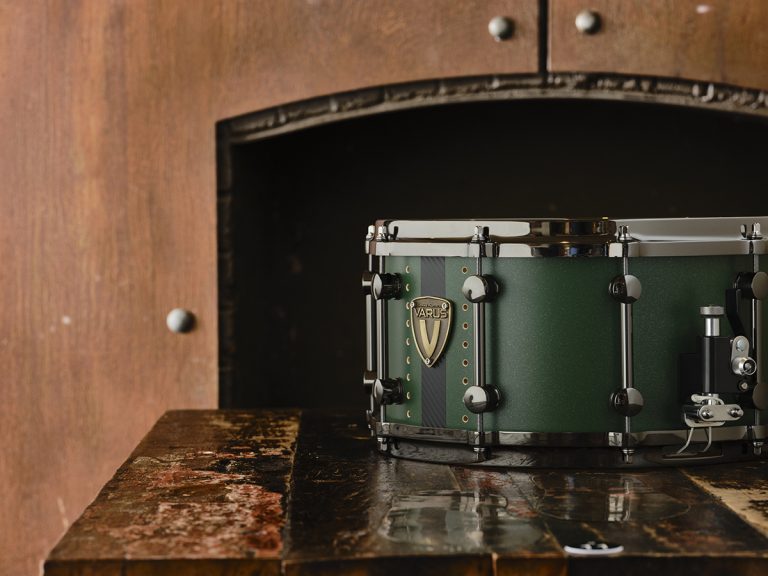


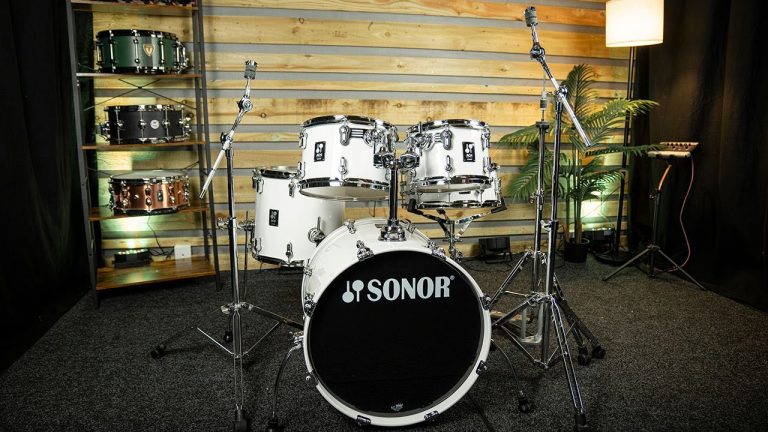


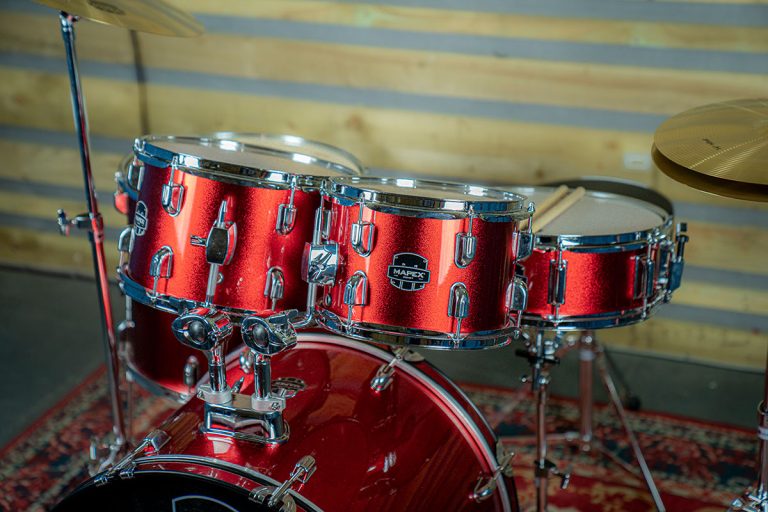


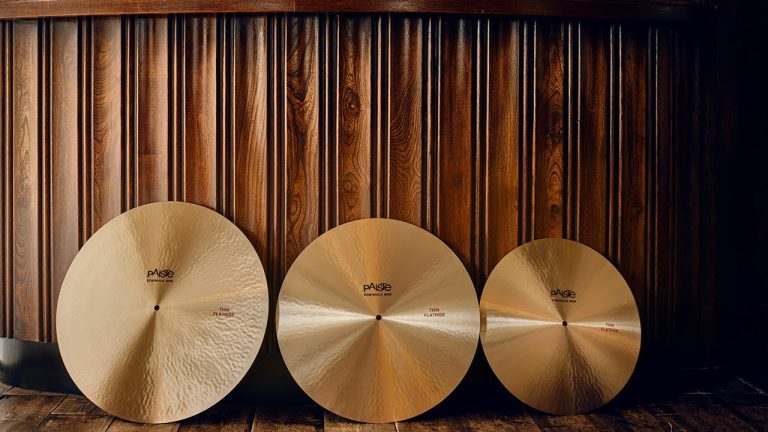



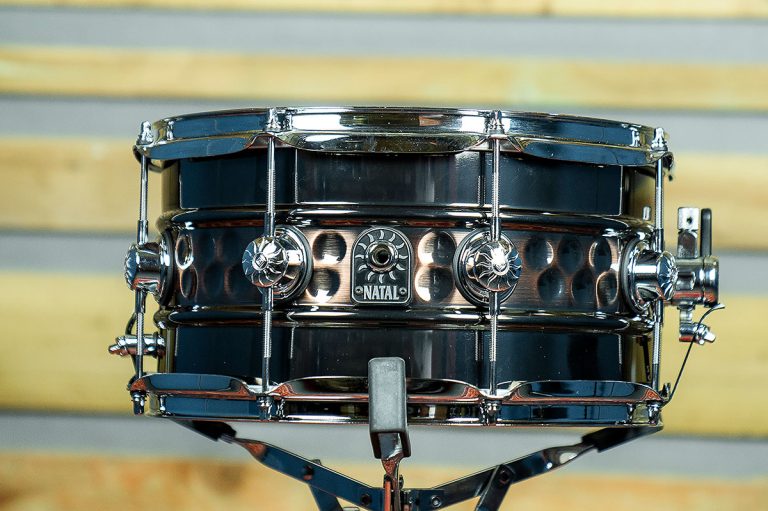






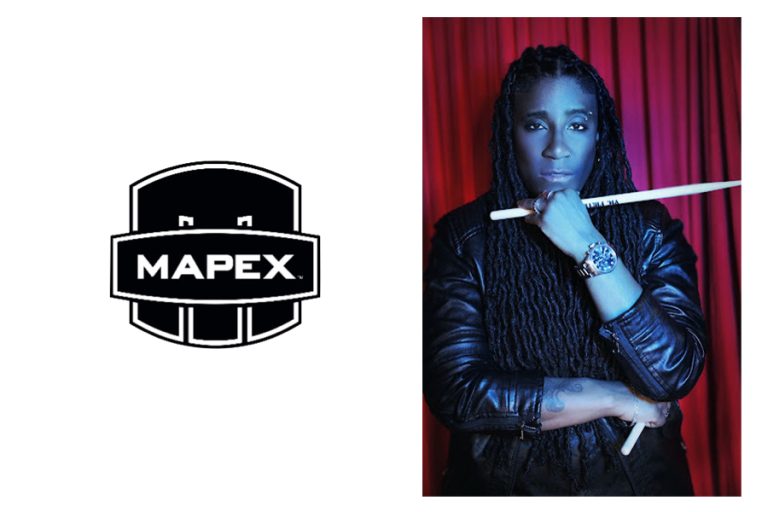
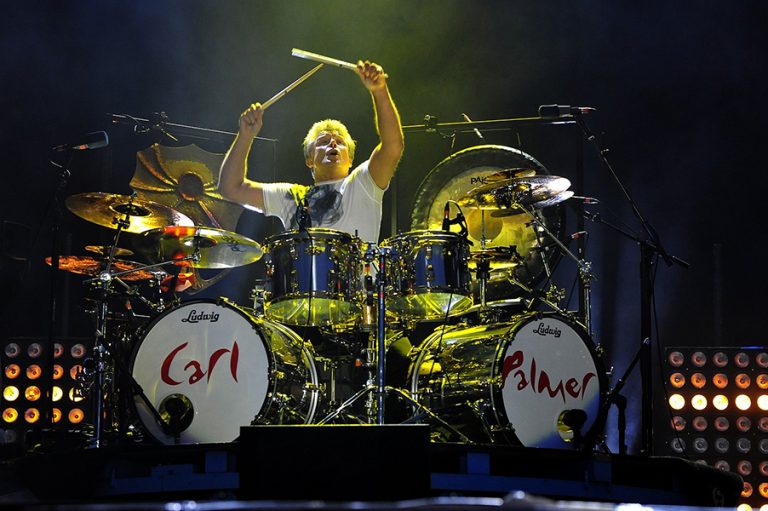


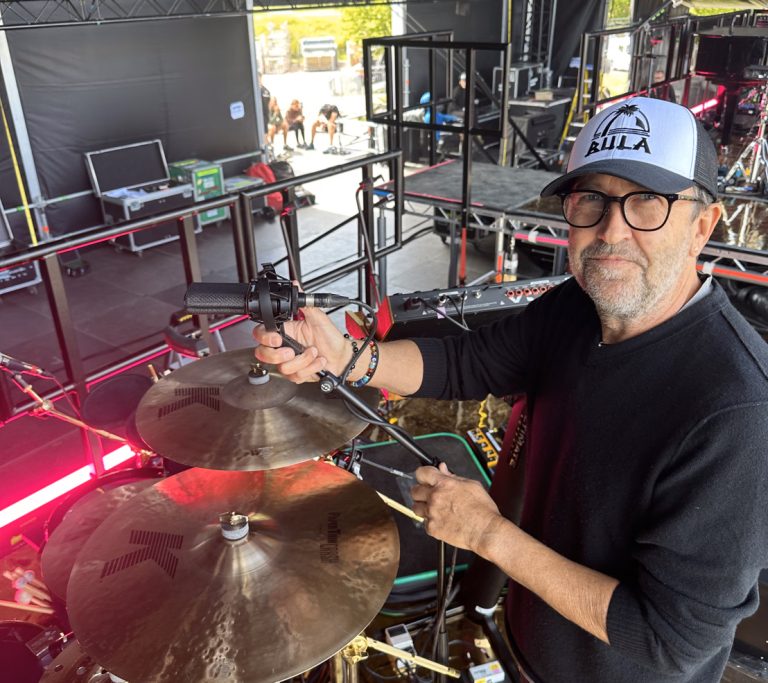
 Photo credit: Dan Norris